
How to prevent the loosening of the rim of polyurethane tyred wheels
Among the various damage of polyurethane wheels, loosening of the rim is one of the greatest challenges in the entire industry. According to incomplete statistics, the annual failure rate of polyurethane wheels in China due to the loosening of the rim is as high as over 10%, and in the heavy industry sector, it even exceeds 15%. The core reason for the loosening of the rim of polyurethane wheels is the insufficient bonding strength between polyurethane and metal. When the stress and strain between polyurethane and metal exceed the ultimate bonding strength, peeling occurs between the two.
There are three reasons to explain this phenomenon (specifically, in this article we do not discuss the loosening of the rim caused by high energy losses of polyurethane materials):
First, the bonding strength at the interface between polyurethane and adhesive is insufficient;
The second is the cohesive failure caused by uneven coating of the adhesive on the metal surface.
The third issue is that the interface bonding strength between the metal wheel core and the adhesive is insufficient.
Therefore, the fundamental solution to prevent the loosening of the rim of polyurethane tyred wheels lies in enhancing the interfacial bonding strength and cohesive strength of the adhesive.
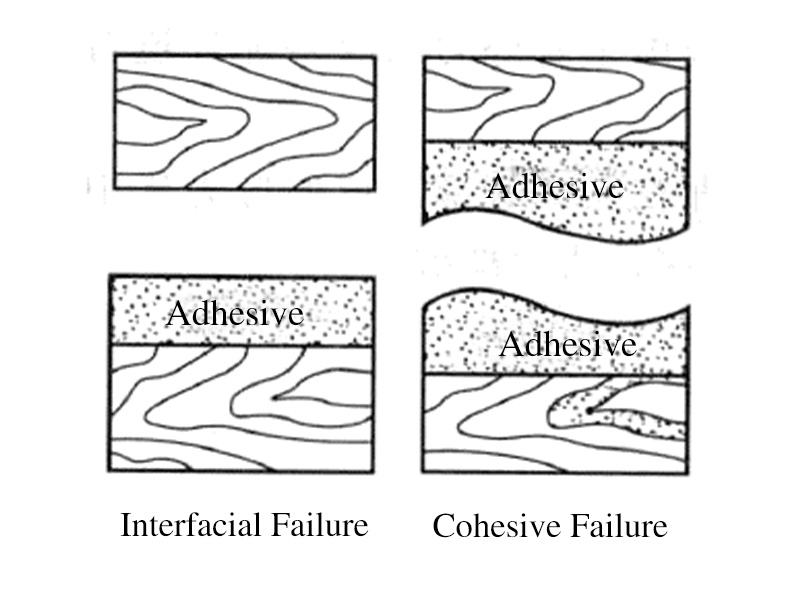
Fig.1 two types of loosening of the rim
The interfacial bonding strength between polyurethane and adhesives is mainly determined by the number of chemical bonds between them. Therefore, enhancing the extent of reaction between them is the most effective way to improve their chemical bond force. In this regard, YALIDE has achieved remarkable results so far. Based on the fundamental principle of addition reactions, our company has optimized the content of isocyanate groups (NCO-) in polyurethane, the molecular structure of polyurethane, as well as the process conditions for adhesive activation and polyurethane curing (including temperature, time, etc.). These optimizations have effectively
promoted further chemical reactions at the interface between polyurethane and the adhesive, resulting in the formation of more chemical bonds such as urethane bonds and urea bonds, thereby achieving the goal of improving the bonding strength between polyurethane and the adhesive. According to peel strength tests, the peel strength of the improved polyurethane wheels has been more than doubled.
To enhance the uniformity of adhesive coating on the surface of metal, YALIDE has adopted advanced automatic glue spraying equipment and standardized glue spraying processes, achieving the goal of micron-level error in the uniformity of the adhesive layer coverage on the wheel core surface and micron-level controllability of the adhesive layer thickness. This can effectively prevent the problem of loosening of the rim caused by uneven gluing.
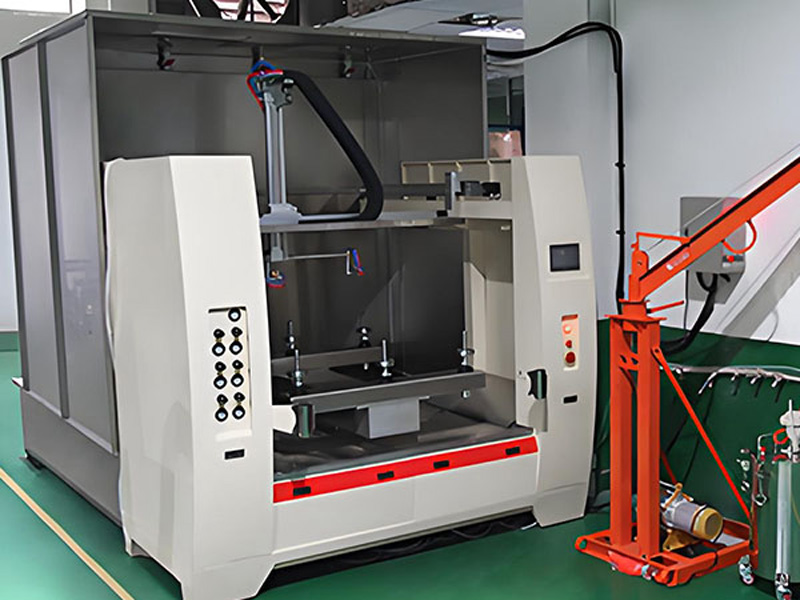
Fig.2 automatic glue coating equipment
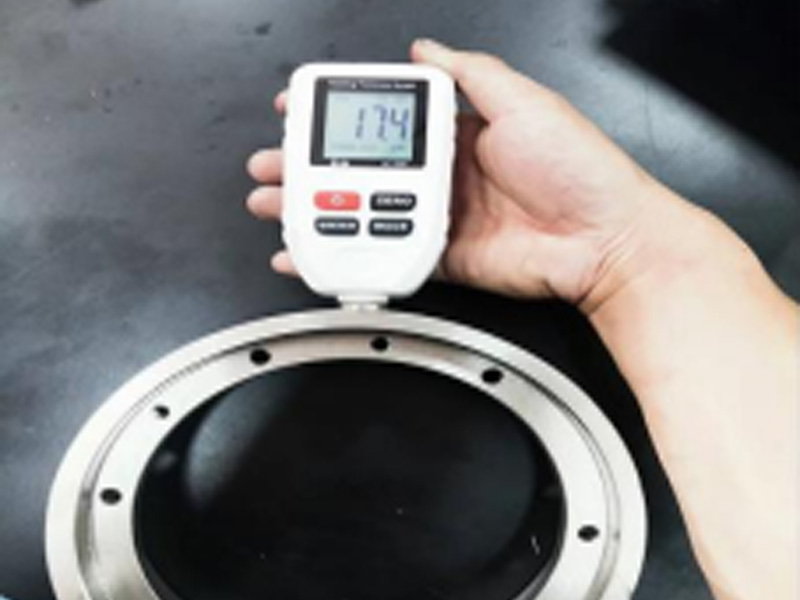
Fig.3 adhesive spraying thickness inspection
The key to enhancing the interfacial bonding strength between metal and adhesive is to improve the metal surface pretreatment technology. For different metal types and dimensions, YALIDE employs customized professional treatment methods. For instance, for aluminum wheel cores, the process combines anodizing and sandblasting; for larger aluminum wheel cores, a sulfuric acid–dichromate method coupled with sandblasting is adopted. For steel wheel cores, the process adopts a combination of chemical reagent treatment and sandblasting, etc. In terms of equipment, YALIDE adopts advanced automatic sandblasting equipment, which can effectively control the uniformity and roughness of sandblasting on the metal surface. Meanwhile, a roughness tester is used to conduct 100% full inspection of the surface roughness of metal. The customized professional metal surface treatment process and strict process control of YALIDE effectively avoid the loosening of the rim caused by the low bonding strength between the metal and the adhesive.
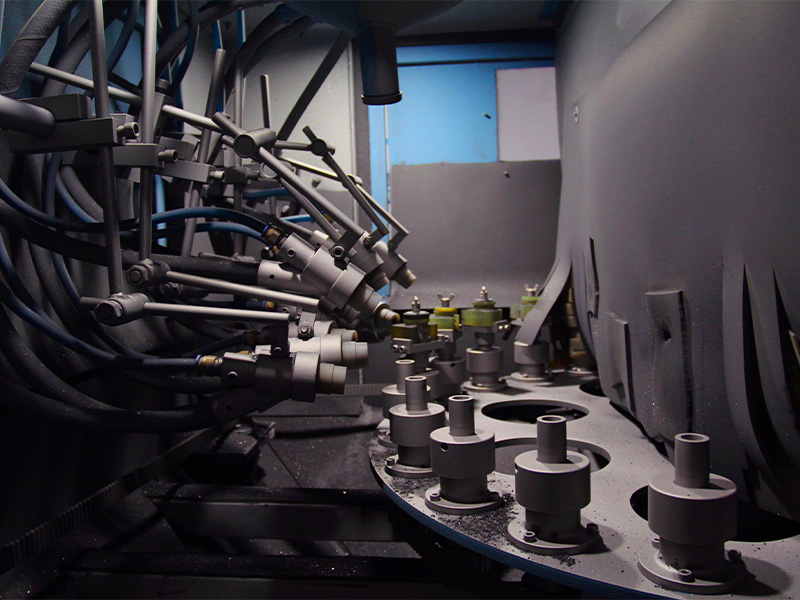
Fig.4 Fully automatic sandblasting
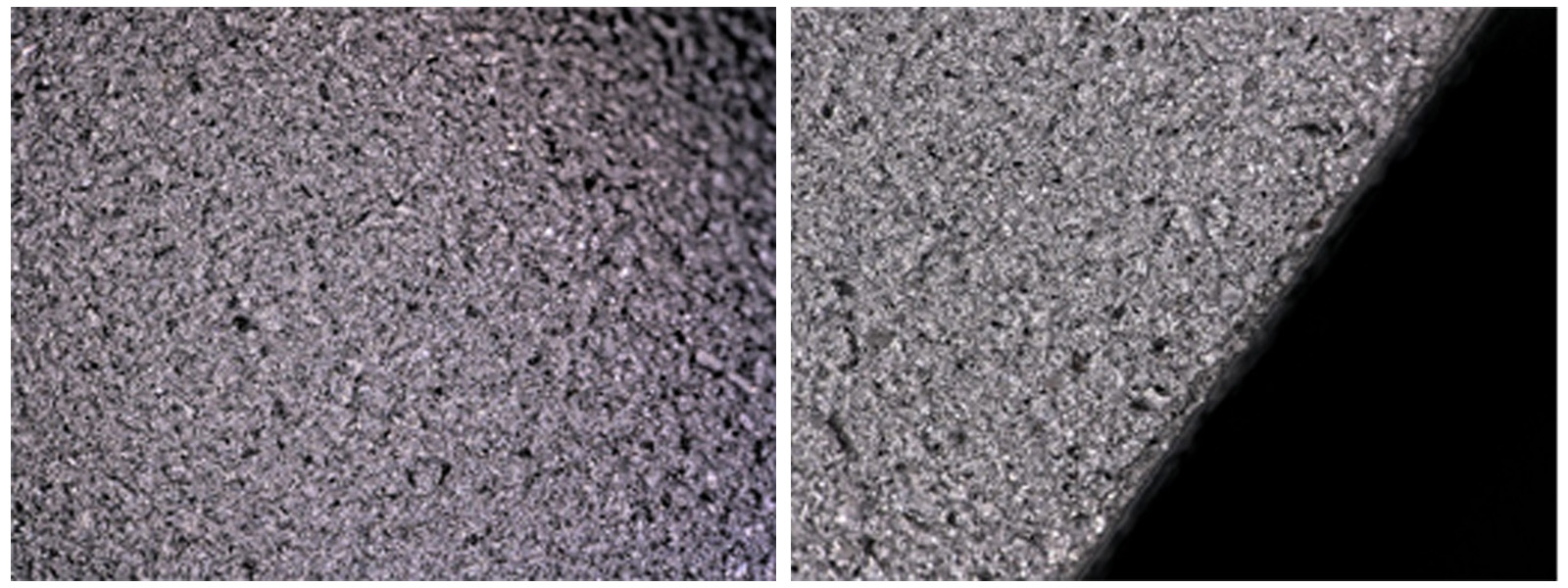
Fig.5 the microscopic morphology of the surface of aluminum alloy after sandblasting
Professional treatment is the most effective way to avoid loosening of the rim. After a series of professional treatments, the rate of the loosening of the rim of YALIDE’s polyurethane wheels is stably controlled below 0.01%, enabling us to provide customers with the most reliable polyurethane wheels.